

This past Friday, I woke up and said to myself, “I wonder what is going to happen today.” It was Friday the thirteenth (13th)!
Not being overly suspicious on Friday the 13th, I have always been under the impression that you can make your day any way you want.
However, as I enter the bedroom, the TV is showing a Special Report: Tanker Collision with River Cruise Ship in New Orleans.
All this happened around, or about, “12:30 p.m. CST, the Marshallese‑flagged asphalt tanker Atlantic Asphalt collided with the American Heritage river cruise boat near mile marker 96 of the Mississippi River, close to the Port of New Orleans.”
New Orleans port sues for control of tanker that crashed into ship – NBC New York
As I thought about the incident later in the day, I was relieved to know that “All 197 passengers and crew on the American Heritage cruise ship survived Friday, as well as the crew on the tanker.”
Yes, it was a “Miracle on the Mississippi.”
‘Miracle’: All rescued from capsized New Orleans riverboat in tanker collision – ABC News
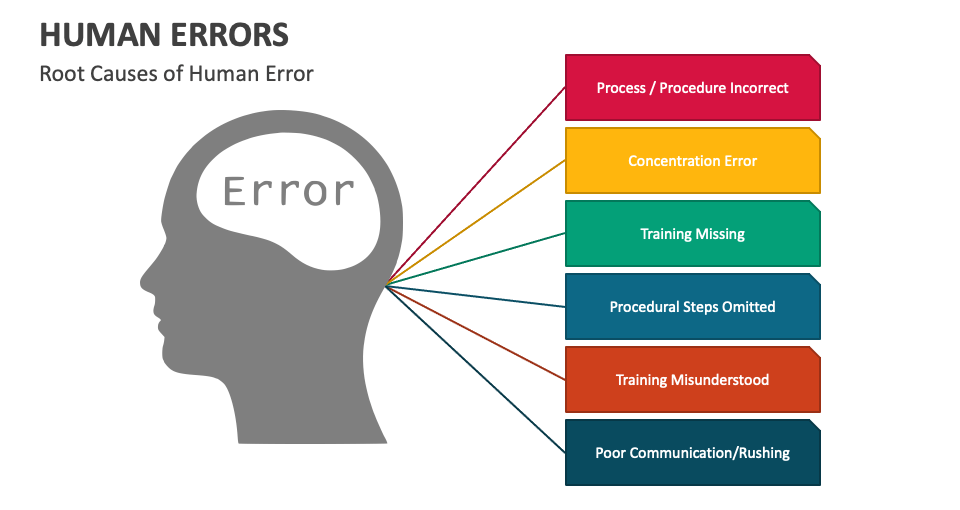
However, it was all about “Human Error.”
I’m sure the people on the River Cruise Ship in New Orleans have mixed emotions, with some maybe experiencing trauma from this accident.
Many of them have lost valuable possessions, and it will take weeks to remove the cruise ship. I’m also thinking about all those passengers who are uninsured and have another issue to worry about.
The impacts of “Human Error” in this situation are far-reaching.
They say history repeats itself, as we remember the sinking of the Titanic with scenes of a ship sinking painting this picture in our minds with people in the water.
Although the sinking of the Titanic happened on April 15, 1912, resulting in the deaths of around 1,500 people (estimates vary), making it one of the deadliest peacetime maritime disasters in history, we can count our blessings for having no fatalities.
Several of my family members enjoy cruising, and many don’t expect anything like this to happen in our backyards.
The second incident was the “Nationwide FAA Ground Stop.”
I can’t even begin to imagine the frustration of everyone affected by the decision to halt all planes from taking off, especially on a Friday. No one expects a ground stop on a Friday the 13th leading to thousands of flights being delayed or canceled, disrupting the travel plans of passengers heading into the weekend.
But it happened.
I think it is interesting how one president (Donald Trump) can blame another president (Joe Biden) for America’s air traffic control problems.
It goes back to the idea that what we pay attention to gets the most attention.
José Ortega y Gasset, a prominent 20th‑century Spanish philosopher and essayist known for works such as The Revolt of the Masses, said: “Tell me what you pay attention to, and I will tell you who you are.”
Too often, we focus on things that suddenly stop us from realizing we’ve been dwelling on something insignificant for way too long.
The FAA and American politicians knew that there was a problem that needed to be “fixed” or “solved” long before this happened.
How we spend taxpayers’ dollars seems to have backfired, even though it could have been avoided without all the finger-pointing.
Interestingly, Transportation Secretary Sean Duffy blamed the closure on the previous administration’s “lack of investment.
Transportation secretary says he doesn’t apologize for FAA’s nationwide ground stop
I can only assume those who were stranded last Friday by the FAA grounding of all flights for hours are still undecided about who to blame.
I wonder how many dollars were lost with the FAA shutdown on Friday, 13, 2026, for the ground stop itself, which lasted about four hours and twenty minutes.
Here is what “ThePricer” said:
“No verified nationwide financial-loss total has been released for the November 13, 2026 FAA ground stop and the airline disruptions that followed. A revised ThePricer stress test produces $111 million to $557 million in hypothetical airline exposure from Friday and Saturday cancellations, with a $279 million central scenario. The results depend on selected attribution assumptions and Delta’s unusually costly 2024 technology disruption. They are not measured losses or a statistically established range.”
I believe you get the picture!
How Much Did The November 2026 FAA Outage Cost?
We had a breach in understanding human error this past week with those responsible for specific assets under their control. The Tanker Operator who ran into a cruise ship in New Orleans and the Engineers managing Air Traffic Control Systems.
In both cases, those mishaps cost more than just revenue.
I leave you with three quotes to think about human error.
“We must accept human error as inevitable — and design around that fact.” — Donald Berwick
“What there is in this world… is a tendency for human errors to level themselves like water.” — Barbara Kingsolver
“The history of human opinion is scarcely anything more than the history of human errors.” — Voltaire
Today, I challenge you to think about the human errors that happened over this past weekend and what human error you may have encountered recently.
